 |
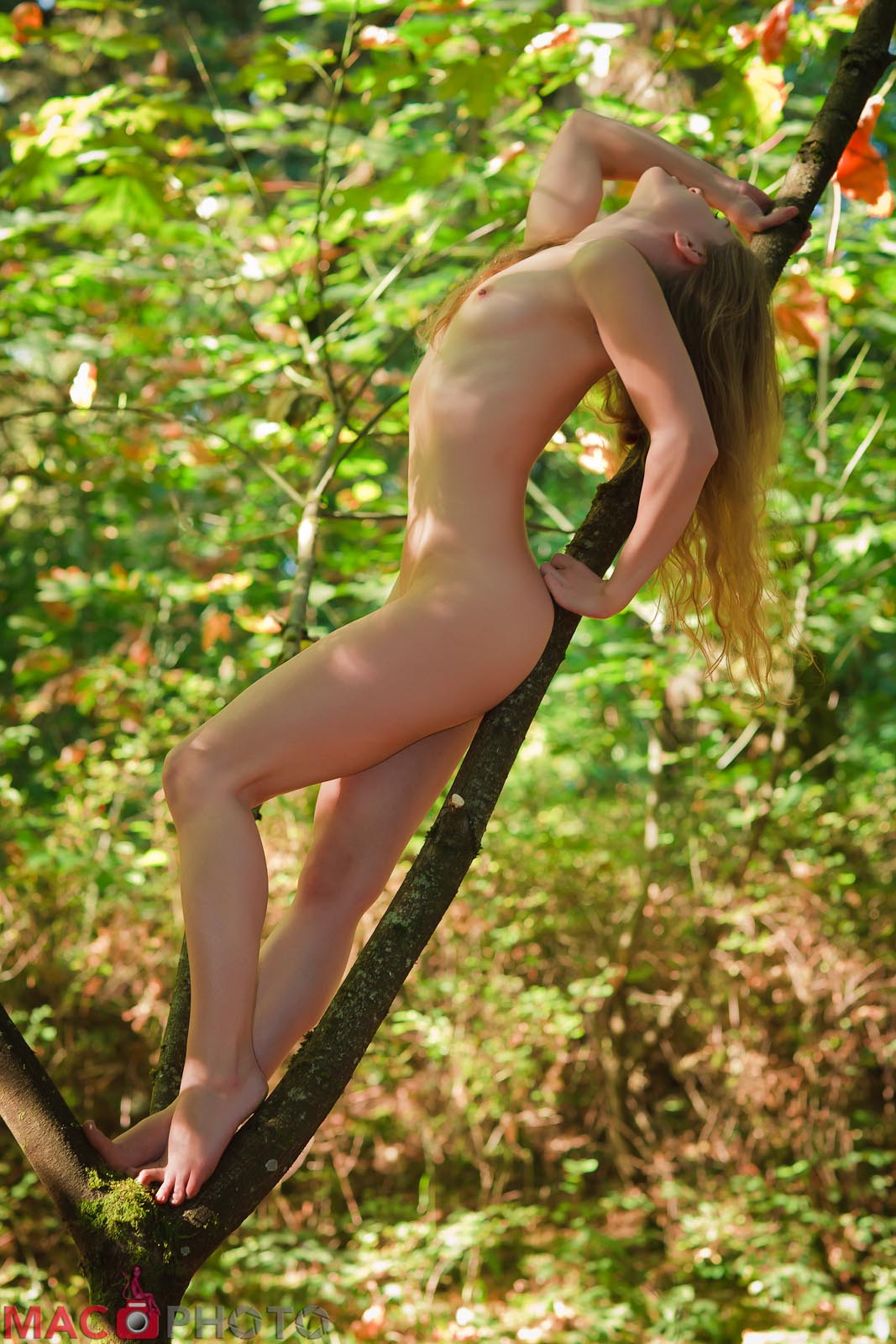
| Audi in the Woodlands |
I recently completed a small project during which I shot with several models, including two very lovely ladies for whom the project was our first shoot together. During the course of the shoot those two models, as well as two of my regular models, told me how nice it was to work with me. I have received this compliment many times over my years of shooting and I had really never given it much thought. After all, I’m a good person and I try to treat people well, so I certainly had hoped that shooting with me would be a “nice” experience. The first model that said this to me during this most recent project, however, said it with such intensity that I simply had to ask her what she meant. Her response surprised me.
She told me she had recently worked with a photographer who continually commented about what he didn’t like about her body or her poses. He made snide comments about her weight, though in my opinion she has a very well formed and toned body; how he didn’t like some of her poses and generally was not pleasant to her during the shoot. This young lady is one of the most pleasant people you’d ever want to meet. She has a gorgeous smile, is always ready for a shoot, shows up on time and puts great effort into giving the photographer what he or she wants. I’ve worked with her four times over the last year and she’s just a real sweetheart. I’m shocked that anyone would treat her so.
Her story made me think about the photographer to model relationship and what it means to me. So when I received the next such compliments, I asked the question, “Why do you say that?” In every case the model was able to tell me specific aspects of shooting with me that made the experience pleasant and an event to be repeated rather than to be avoided. Two of the models also related experiences they had encountered with other photographers which made them unwilling to work with those individuals again. Once again, I was surprised that these ladies would be treated with such disregard for their feelings.
Now, I certainly hope these photographers are the exception and not the rule. It’s certainly been my experience with the few other photographers that I’ve occasionally worked with that models are treated with respect though, of course, shooting with a group of photographers and models is quite the different dynamic than when a model and photographer are shooting in a one-on-one situation. Still, it doesn’t benefit photographers as a profession or avocation when models are treated poorly by someone who professes to be a photographer.
I am therefore going to share my philosophy and process of working with models in the hope that it will help other photographers who may not have much experience in working with models, and specifically glamour models, in front of their lens. Certainly not every person who reads this will be influenced to change the way they act towards their models. The ones that won’t change probably treat people poorly because of their personality and their attitude toward humanity in general. Nothing I, or the models, say will change how they treat others. I’m betting, however, there are a few photographers out there that simply don’t know what’s expected of them during a shoot and are willing to consider better methods so that they get the results they want while ensuring the models will want to work with them again in the future.
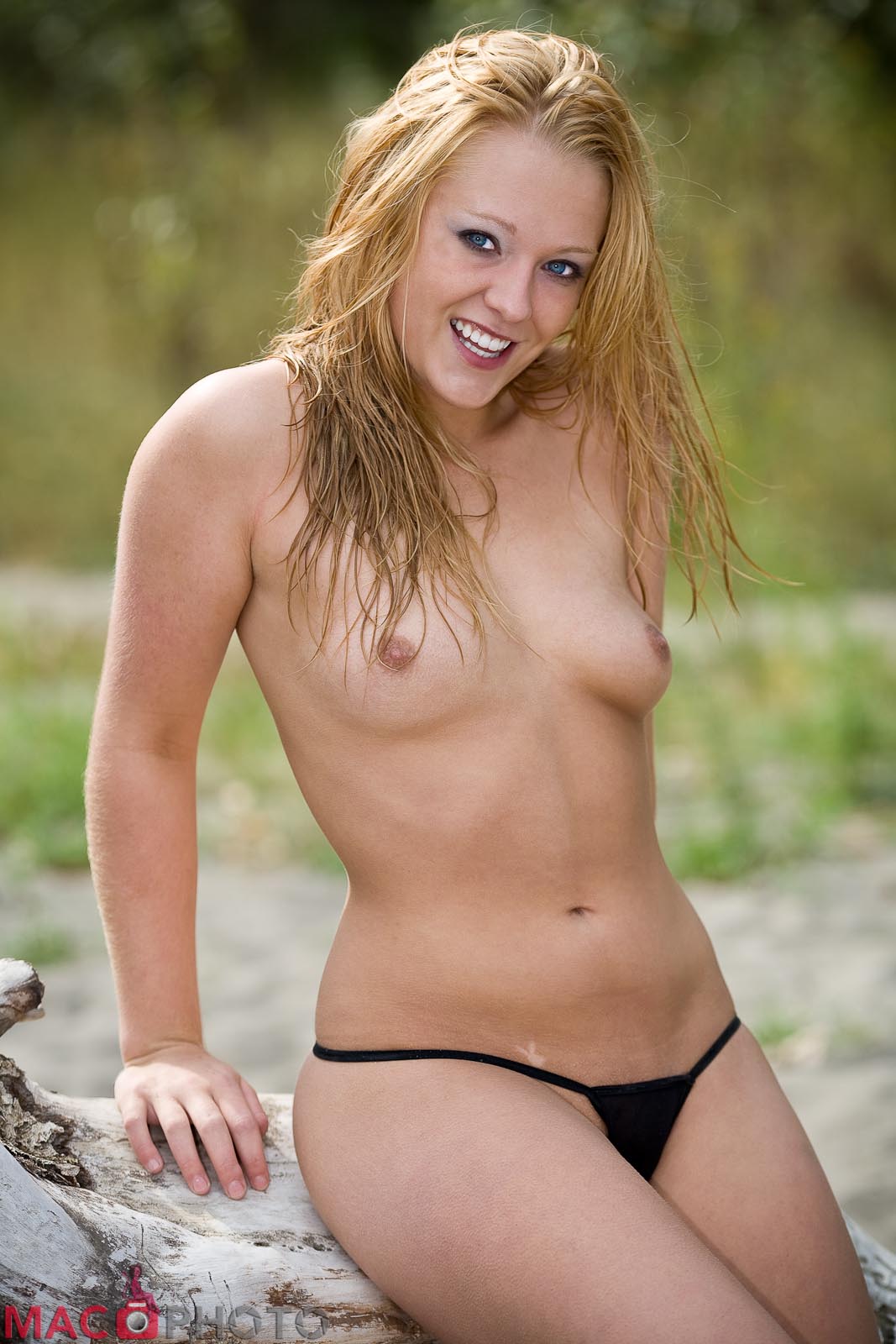 |
| On the Beach with Sierra |
I think the most important thing to keep in mind when shooting with a model is that they are your collaborators in the process of creating the image. Yes, you’re setting the exposure, the lighting, choosing the composition and the depth of field, and perhaps even directing the model into specific poses, but without the model, what would be your subject? What element beyond the background, the foreground and the props would you have in your final image? You need the model, otherwise you would be shooting still lifes, landscapes, or bugs.
If you’re shooting with a model, she or he, as the case may be, is most likely the subject in your image. If you want the most from your model, treat them as a dynamic partner in the creative process. Talk to them, listen to them, and consider any suggestions they might have for the image. If they are experienced, they already know the poses that make them look the best and they often have great ideas about what poses would work well for the image or scenario you’re trying to capture. Consider what they have to offer and make use of it as appropriate.
Models are people too. Don’t treat them as simply objects or props. Many of my models have willingly put themselves into awkward positions, donned uncomfortable clothing, stood in the cold, soaked themselves in freezing water, and posed with sand blowing in their face while standing barefoot on a hot desert floor because they shared my vision of the final image. They also did it because I explained what I wanted, made sure that a comforting towel and robe, a hot cut of tea, a wet washcloth and a cold drink or a helping hand was available to them immediately after I got the shot. I always keep what I call a “comfort pack” with me when I shoot. It contains a robe and slippers for the model, a pack of wet wipes, mosquito repellant, a large towel, a bottle of water, a washcloth, lotion, paper towels, and a clean brush. Some items seldom get used and some items get used quite a lot. But, they’re always available if the model needs them. Most of the time, depending on the duration and location of the shoot, I have hot or cold drinks available for the model as well. Keep the model comfortable or at least aware that the discomfort will be short, and you’ll get far more out of your model than you could otherwise expect.
Encourage your model. I certainly can stand to improve in this area. I often get so caught up in the techniques of the shot that I often forget to provide feedback to the model. I’m still working on this, but I do try to let my models know when I think a particular pose or expression is working. I use words like “great,” “gorgeous,” “beautiful” or phrases like “that’s it,” “very nice” and “terrific expression,” to encourage my models. What’s more, I mean it. If I don’t like a pose or an expression I don’t tell them I don’t like it, but rather I suggest another pose or another look. The idea is to keep up a positive flow of energy between the photographer and the model. Reinforce everything that is working and let what doesn’t work slide on by. Keeping the model happy and encouraged makes the shoot flow better and keeps the energy high.
Keep your hands to yourself as much as possible. In most cases, it’s not necessary to touch the model. Talk to the model before the shoot and let her know how you give directions. I often demonstrate glamour poses to my models and I know it has to look silly for a person who looks like me to strike a glamour pose, but hey, it gets the job done and I can indicate to the model what I want without a lot of words or trying to push her around like a mannequin. Sometimes you do have to move a hand or an arm slightly, but before you touch the model, ask (and get) permission first.
Finally, and I think this is where a lot of photographers get into trouble, understand your model’s limits and don’t try to push them beyond what they are comfortable shooting with you. If in doubt, ask before the shoot or before you get to that particular sequence in the shoot. If the models indicates discomfort with the pose or the concept, don’t push it. If such a pose or concept is integral to your shoot, it’s imperative you discuss it with the model before getting her to commit to the shoot and don’t spring it on her as a surprise the day of the shoot. It’s always okay to ask about a concept, but it’s never acceptable not to take no for an answer and to try to push a model into an uncomfortable situation.
Models are people just like your sister or your mother. They can collaborate with you and help you create some wonderful images if you treat them right. If you don’t, well, word has a way of getting around and you may just find yourself unable to get anyone to work with you at all.
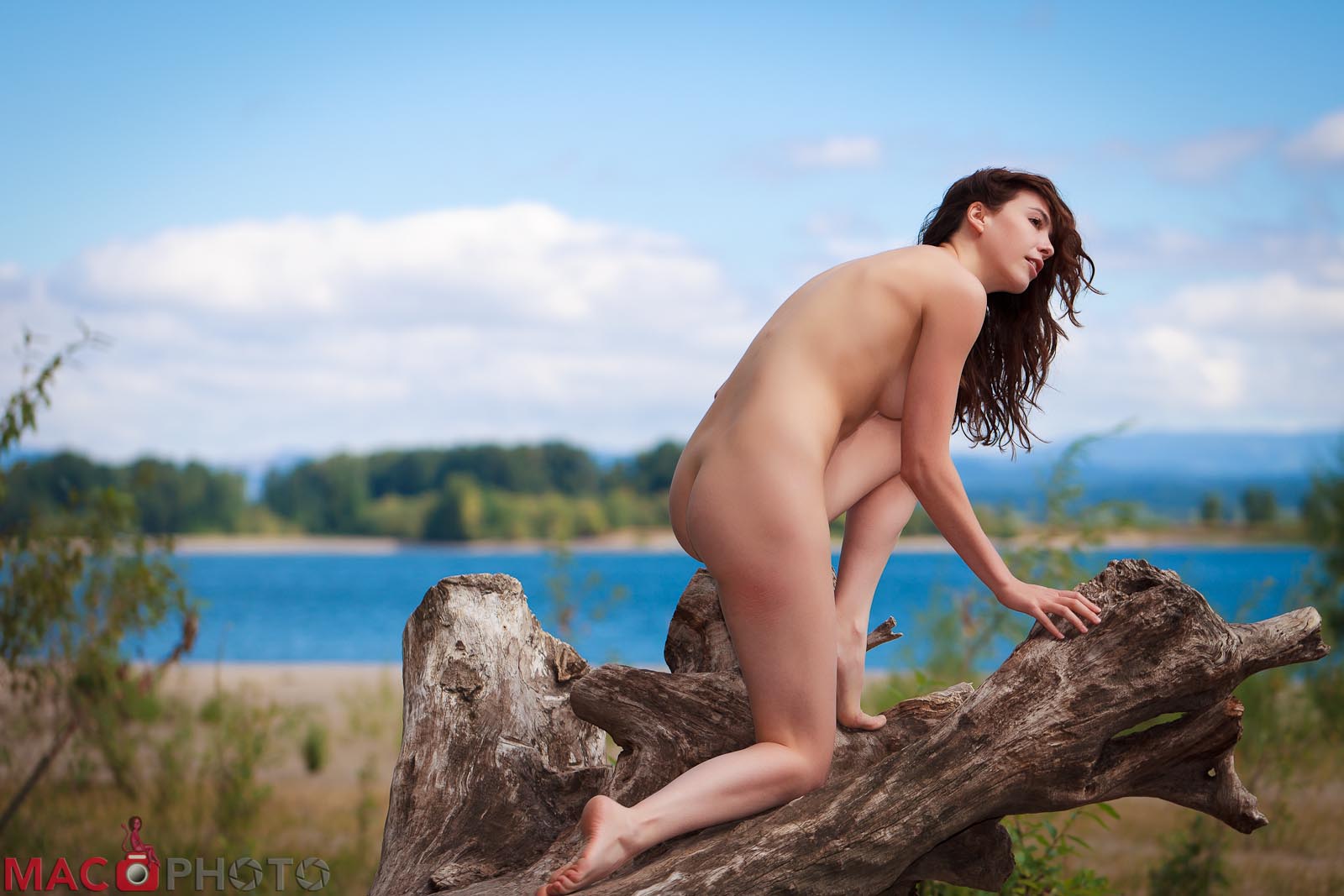 |
| Lindsay by the River |