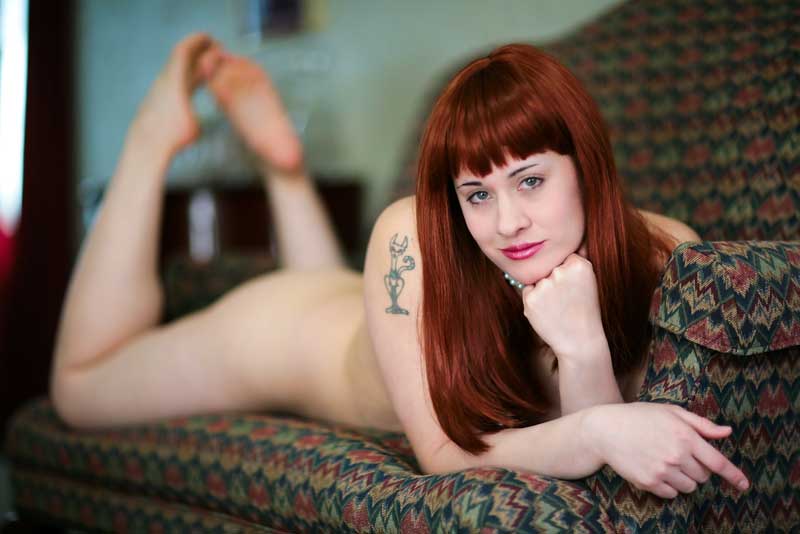
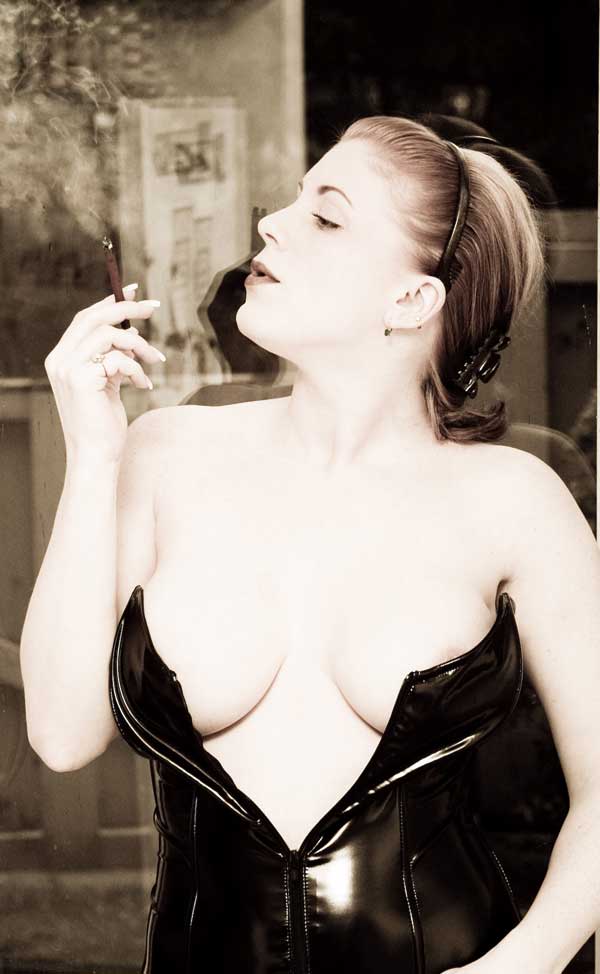
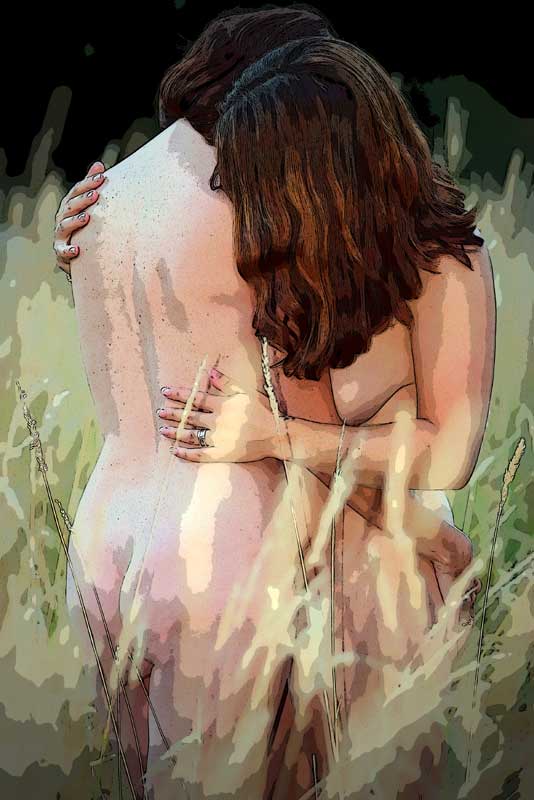
Post-processing is the modern term for what photographers used to do in the darkroom. Some photographers disdain the idea of post processing and use the philosophy that if you didn't get it right in the camera you didn't do the job.
Other photographers obsessively post-process everything they capture to the point that the image is no longly truly a photograph but becomes, instead, a piece of graphic art. These folks use all the tricks of the computer trade -- saturation, sharpening, Gaussian blur, three or four filters, and so much more that they spend more time working on the computer than they do taking photographs.
There is another set of photographers that take a more lackadaisical approach to photography and use the philosophy that "it can be fixed in post processing." By this, I mean they don't excessively post process, but they're not particular careful with their original image so that they have to post process in order to correct obvious flaws with the image. Typically these go beyond difficult exposure and are in the realm or poor composition and extraneous objects in the field of view.

My philosophy lies somewhere off to the side of all this. I strive to get the image as close to the final product as possible as part of the initial in-camera exposure. In general, however, almost every image I publish will have some degree of post processing applied, though it's typically pretty minor. Usually it's a touch of sharpening and saturation, and if it's a high ISO image, some noise reduction. I try to shoot RAW image formats as much as possible so that I have as much data as possible to manipulate. I am not, however, against extensive post processing to produce a more graphical art type of image. In fact, I think that it's fun and I enjoy playing around with different techniques to produce those types of images.
Usually though, I take a minimalist approach and limit my manipulations to that necessary to subtlety improve the image and I try to make the post-processing indiscernible. Too much processing can render unnatural looking skin and make the model look like a plastic Barbie doll, or it can introduce easily noticed artifacts that detract from the overall look of the image.
The purist will tell you that the best images require no post-processing at all. I'm not sure Ansel Adams, Edward Weston and the other great photographers known for their film and darkroom skills would agree. I imagine that if they were alive and shooting digital today (and I'm sure they would be), they would embrace the computer as their new darkroom and would find the ability to appropriately manipulate their images without smelly and dangerous darkroom chemicals a great leap of technology and in creativity.

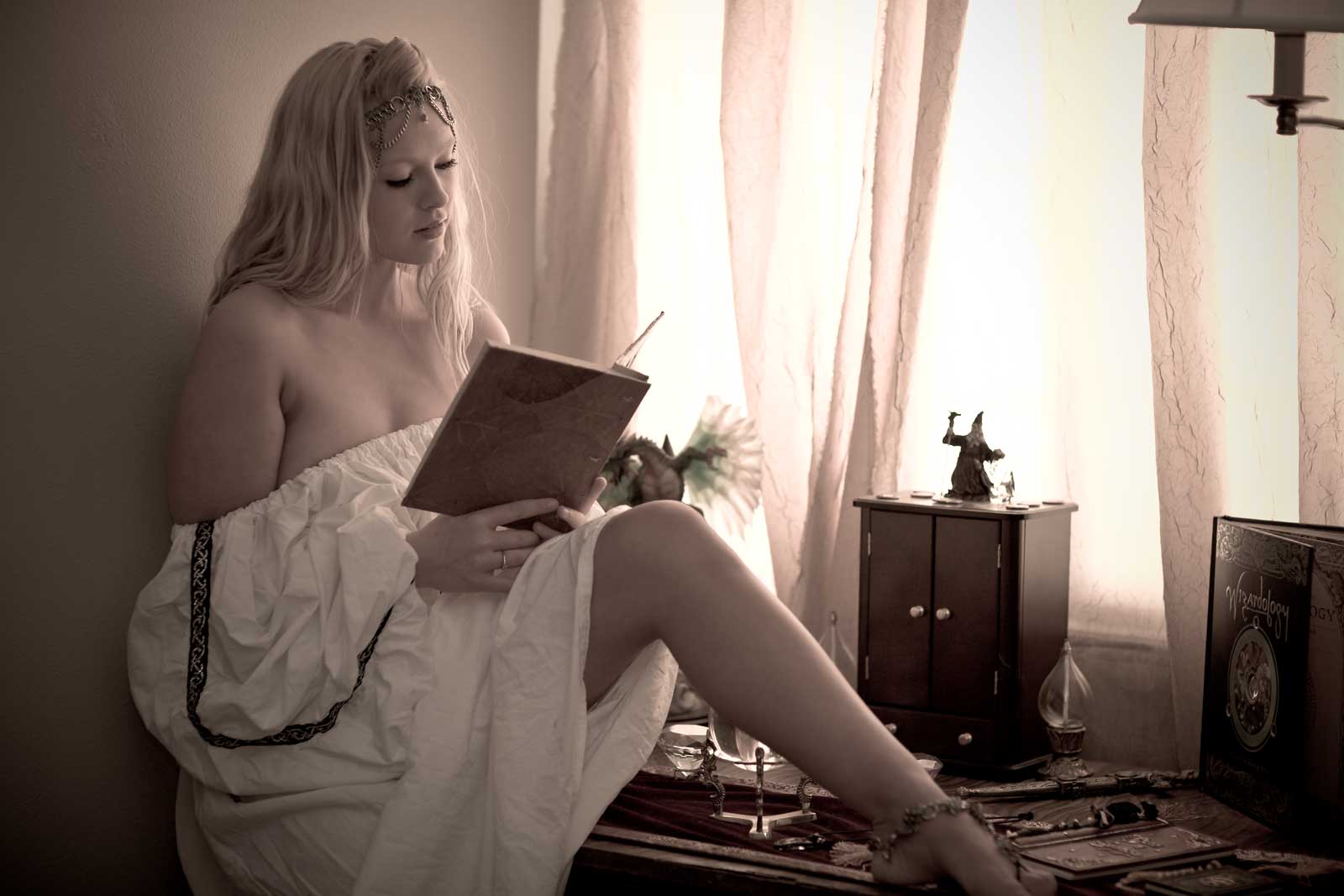 I had just an amazing shoot with Sierra yesterday. This is the third time I've shot with her (including her test shoot), and I have to say she just keeps getting better. She doesn't do nude shots, but she's quite creative when working with the photographer to produce images that are fun, sensual and even provocative. She has a great attitude and really enjoys collaborating in the shoot. And, as you can see from the photo to the right, she's quite beautiful.